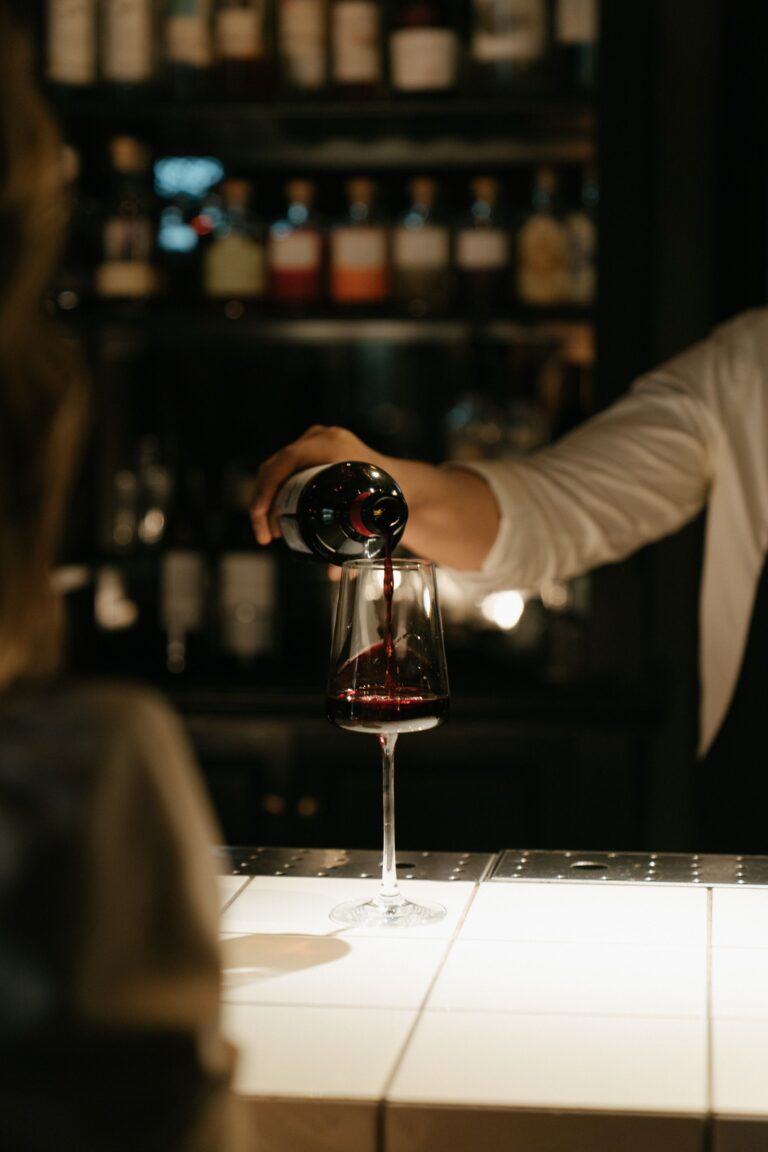



Ordering wine doesn’t have to feel intimidating. Whether you’re dining at a restaurant, visiting a wine bar, or browsing bottles at a wine shop, it’s completely normal to feel unsure about how to describe the kind of wine you enjoy. Many people hesitate because they think they need expert knowledge, but that’s far from the truth.
Experienced sommeliers and wine professionals are trained to help customers discover wines they’ll enjoy. They don’t expect everyone to know wine terminology, and a few simple descriptive words are usually enough to point them in the right direction. Learning some basic wine vocabulary can make ordering easier and help you receive recommendations that better match your taste.
Here are the most useful wine terms to know.
Dry, Off-Dry, and Sweet
One of the most misunderstood wine terms is “dry.” In wine, dry simply means the wine contains little to no noticeable sweetness. It doesn’t refer to a rough or mouth-drying sensation.
Most table wines are dry, so saying you prefer dry wine doesn’t provide much information. Instead, mention if you enjoy wines with a hint of sweetness (off-dry) or wines that are clearly sweet. This gives your server a much better idea of your preferences.
Tannic or Smooth
Tannins are naturally occurring compounds found mainly in red wines. They create a drying, gripping feeling in your mouth, similar to the sensation of drinking very strong black tea.
If you enjoy bold, structured wines with firm texture, ask for a tannic wine. If you prefer softer, more approachable reds with less astringency, request a smooth wine instead. Tannins also soften as wines age, making older reds feel gentler.
Acidity
Acidity gives wine freshness and vibrancy. Wines with high acidity create a mouthwatering, crisp sensation and often taste lively and refreshing.
If you enjoy bright, zesty wines, ask for high acidity. If you prefer softer, rounder wines without sharp tartness, choose wines with lower acidity. A balanced level of acidity keeps wine refreshing without becoming too sharp or tasting dull.
Body
Body describes how heavy or light a wine feels on your palate. It’s often compared to different types of milk.
- Light-bodied: Similar to water, crisp and refreshing.
- Medium-bodied: Comparable to skim or 2% milk, offering moderate richness.
- Full-bodied: Similar to whole milk or cream, delivering a richer, more powerful texture.
Generally, wines with higher alcohol levels feel fuller-bodied, while lower-alcohol wines tend to feel lighter.
Oaky
Oak aging influences both the aroma and flavor of wine. Wines matured in new oak barrels often develop notes of vanilla, baking spices, toasted wood, caramel, coconut, or smoke.
If you enjoy rich, creamy wines with these characteristics, ask for an oaky wine. If you prefer fresher fruit flavors and greater purity, request wines with little or no oak influence.
Buttery
The buttery character found in some white wines—especially Chardonnay—comes from a process called malolactic fermentation. This winemaking technique softens the wine’s natural acidity and creates creamy flavors reminiscent of butter, yogurt, or soft cheese.
If you enjoy rich, creamy Chardonnay, ask for a buttery style. If you prefer fresher, crisper wines, mention that you’d like to avoid buttery expressions.
Fruit-Forward, Earthy, Funky, and Floral
These descriptive terms help explain a wine’s dominant aromas and flavors.
- Fruit-forward: Emphasizes fresh fruit flavors like berries, cherries, citrus, peaches, apples, or tropical fruits.
- Earthy: Features savory notes such as mushrooms, herbs, forest floor, leather, tobacco, or mineral characteristics.
- Funky: Often used for natural wines with unusual aromas, rustic qualities, or wild fermentation characteristics.
- Floral: Displays delicate aromas like rose petals, violet, jasmine, elderflower, or orange blossom.
Using these descriptors makes it much easier for a wine professional to recommend bottles that suit your palate.
Mention Your Budget
Price is an important part of choosing wine, and there’s no reason to feel uncomfortable discussing it. If you’d rather not say your budget aloud, simply point to a bottle within your preferred price range and ask for something similar. Most servers and sommeliers will understand your preference immediately.
Share Your Favorite Grapes or Wine Regions
Even if you’re unfamiliar with technical wine vocabulary, mentioning wines you’ve enjoyed before is extremely helpful. Telling your server that you love Malbec from Argentina, Sauvignon Blanc from New Zealand, or Pinot Noir from Oregon gives them valuable insight into your taste preferences.
Knowing your favorite grape varieties or wine regions allows wine professionals to recommend similar styles or introduce you to new wines with comparable characteristics.
Order Wine with Confidence
You don’t need to be a wine expert to enjoy great wine. Understanding a handful of basic terms—such as dry, tannic, full-bodied, high acidity, oaky, buttery, fruit-forward, or earthy—can dramatically improve your ability to communicate your preferences. Combined with your preferred grape varieties, wine regions, and budget, these descriptors make it much easier for sommeliers and wine shop staff to recommend wines you’ll truly enjoy.